
Semen analysis is the primary test for assessing male fertility. It evaluates multiple parameters including sperm count, movement (motility), and shape (morphology). Understanding what "normal" means, and what abnormal results might indicate, helps you make sense of your results.
It's important to note that reference ranges represent thresholds below which fertility may be affected, not guarantees of fertility above them. Natural variation between samples is also common, which is why repeat testing is often recommended.
Normal Semen Analysis Values (WHO 2021)
The World Health Organization provides reference values based on the 5th percentile of fertile men, meaning 95% of men who have fathered a child have values at or above these levels:
| Parameter | Normal Value | What It Measures |
|---|---|---|
| Volume | ≥ 1.5 ml | Total ejaculate volume |
| Sperm concentration | ≥ 15 million/ml | Number of sperm per millilitre |
| Total sperm count | ≥ 39 million | Total number in ejaculate |
| Total motility | ≥ 40% | Percentage of moving sperm |
| Progressive motility | ≥ 32% | Sperm moving forward effectively |
| Morphology (strict) | ≥ 4% | Percentage with normal shape |
| Vitality | ≥ 58% | Percentage of live sperm |
Note: Different laboratories may use slightly different reference ranges and methods.
Understanding Each Parameter
Sperm Concentration and Total Count
Sperm concentration refers to how many sperm are present per millilitre of semen. Total count is the concentration multiplied by volume, the total number of sperm in the ejaculate.
- Oligozoospermia, Low sperm count (below 15 million/ml)
- Azoospermia, No sperm in the ejaculate (requires further investigation)
Motility (Movement)
Motility measures how well sperm move. Sperm need to swim effectively to reach and fertilise an egg.
- Progressive motility, Sperm moving forward in a relatively straight line or large circles
- Non-progressive motility, Movement that doesn't result in forward progression
- Asthenozoospermia, Poor sperm motility (below reference values)
Morphology (Shape)
Morphology assesses the shape and structure of sperm. Using strict (Kruger) criteria, only sperm with near-perfect shape are counted as normal, which is why the threshold of 4% may seem surprisingly low.
Abnormal sperm shapes are common and produced by all men. Having some abnormally shaped sperm is normal; the question is the proportion.
- Teratozoospermia, Low percentage of normally shaped sperm (below 4%)
What If Results Are Abnormal?
Abnormal semen analysis results don't necessarily mean you can't father a child. Several points are important:
- 1A single test may not be representative, results can vary significantly between samples
- 2Repeat testing is usually recommended to confirm findings
- 3Even with below-normal values, natural conception is often possible
- 4Treatment options exist for most forms of male factor infertility
- 5The combination of all parameters matters more than any single number
If initial results are abnormal, further investigation may include hormone testing, genetic testing, or specialist evaluation to determine the cause and appropriate treatment options. Learn more about male fertility testing.
Preparing for Semen Analysis
To ensure accurate results:
- Abstain from ejaculation for 2-5 days before the test (not less, not more)
- Avoid alcohol and recreational drugs in the days beforehand
- Don't use lubricants that might affect sperm unless specifically approved
- Collect the complete sample, first portion contains most sperm
- Deliver the sample to the lab within 30-60 minutes at body temperature
Frequently Asked Questions
Related Pages
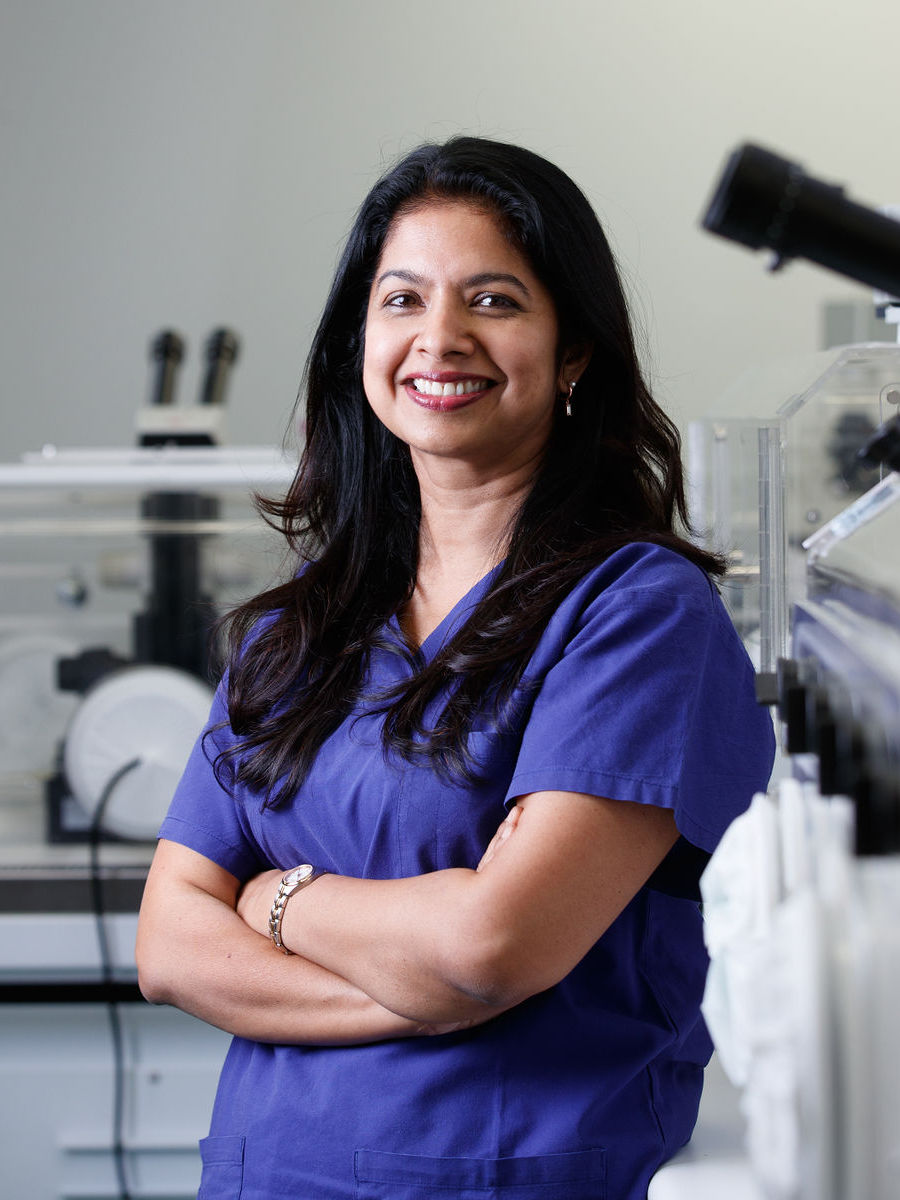
All content on this page has been reviewed and verified by Dr Priya Sivadas for factual accuracy and clinical correctness.
- FRANZCOG — Fellow of RANZCOG
- CREI — Certified Reproductive Endocrinology & Infertility
- MMed (Rep Med) — Master of Reproductive Medicine, UNSW
- MBBS — Bachelor of Medicine & Surgery
- DGO — Diploma in Gynaecology & Obstetrics
- MD — Doctor of Medicine (O&G)
Questions About Your Semen Analysis?
Dr Priya Sivadas can help you understand your results and discuss options if any concerns are identified.
Make an Appointment