
Yes, male fertility can improve. Unlike female fertility where egg numbers are fixed from birth, men continuously produce new sperm throughout their lives. This means addressing modifiable factors, whether lifestyle, health conditions, or environmental exposures, can lead to genuine improvements in sperm quality.
Understanding Male Fertility Improvement
How is male fertility different from female fertility?
Women are born with all the eggs they'll ever have, this reserve naturally declines with age and cannot be replenished. Men, however, continuously produce new sperm from puberty onwards through a process called spermatogenesis.
This fundamental difference means that factors affecting sperm production today can be modified, potentially improving future sperm quality. The sperm you produce in 3 months will be entirely new, giving opportunity for positive change.
What factors can be improved?
Many factors affecting male fertility are modifiable:
Lifestyle Factors
- • Smoking cessation
- • Alcohol reduction
- • Weight management
- • Diet and nutrition
- • Exercise habits
- • Stress management
Medical Factors
- • Varicocele (treatable surgically)
- • Infections
- • Hormonal imbalances
- • Medication effects
- • Heat exposure
- • Environmental toxins
How long does it take to see improvement?
The complete cycle of sperm production takes approximately 74 days (about 2.5 months). After this, sperm spend additional time maturing in the epididymis.
This means:
- Changes made today won't appear in semen analysis for 2-3 months
- Lifestyle modifications should be maintained for at least 3 months before retesting
- Full effects of treatment may take 3-6 months to become apparent
- Consistent changes are more effective than short-term efforts
Learn more about how long it takes to improve sperm quality.
Which changes make the biggest difference?
Research suggests the following have the most significant impact:
- 1Quitting smoking
Smoking directly damages sperm DNA and reduces count, motility, and morphology
- 2Treating varicocele
If present, surgical repair can significantly improve parameters in many men
- 3Weight loss (if overweight)
Excess weight affects hormones and sperm production; even modest loss helps
- 4Reducing alcohol
Heavy drinking impairs sperm production and testosterone levels
- 5Avoiding heat exposure
Hot baths, saunas, laptops on lap, all can temporarily impair production
For detailed guidance, see our page on lifestyle and male fertility.
What about supplements?
Some supplements may help, though evidence varies:
- Antioxidants (vitamin C, vitamin E, CoQ10), may reduce oxidative damage to sperm
- Zinc, important for sperm production; deficiency can impair fertility
- Folate, may support sperm DNA integrity
- Omega-3 fatty acids, may support sperm membrane function
However, supplements are most effective when addressing a deficiency. A balanced diet may provide adequate amounts. Discuss with your doctor before starting supplements.
What if my results don't improve?
Not all causes of reduced fertility are reversible. Conditions such as genetic factors, permanent testicular damage, or severe hormonal deficiencies may not improve significantly with lifestyle changes alone.
In these cases, fertility treatments can still help:
- IUI may help with mild male factor issues
- IVF can bypass some barriers to natural conception
- ICSI (intracytoplasmic sperm injection) requires only a single viable sperm per egg
- Even men with very low counts may father children with appropriate treatment
Key Points
- ✓Male fertility can improve because sperm are continuously produced
- ✓Allow 2-3 months for changes to appear in semen analysis
- ✓Lifestyle modifications can have meaningful impact
- ✓Medical treatments (like varicocele repair) may help specific conditions
- ✓Even if parameters don't normalise, fertility treatments offer additional options
Related Pages
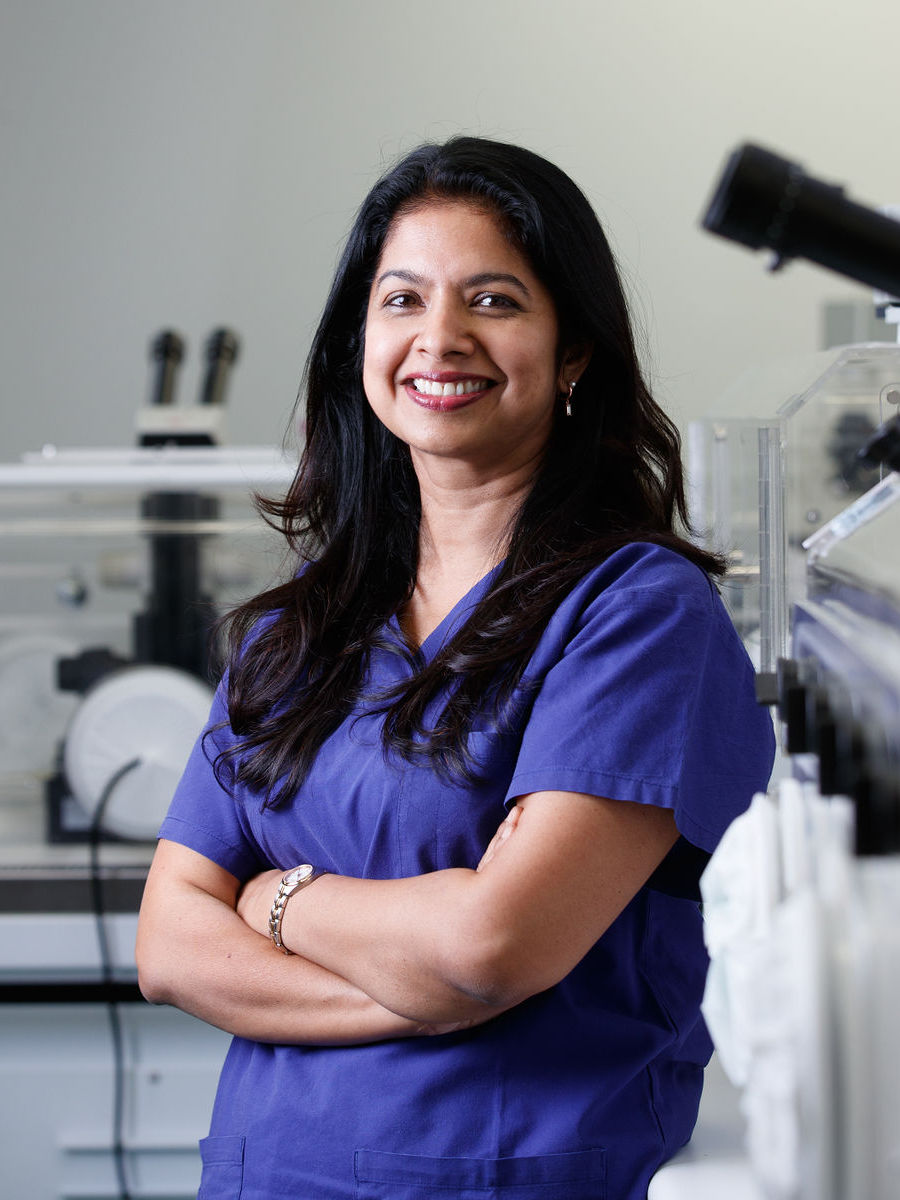
All content on this page has been reviewed and verified by Dr Priya Sivadas for factual accuracy and clinical correctness.
- FRANZCOG — Fellow of RANZCOG
- CREI — Certified Reproductive Endocrinology & Infertility
- MMed (Rep Med) — Master of Reproductive Medicine, UNSW
- MBBS — Bachelor of Medicine & Surgery
- DGO — Diploma in Gynaecology & Obstetrics
- MD — Doctor of Medicine (O&G)
Want to Improve Your Fertility?
Dr Priya Sivadas can help identify factors affecting your fertility and recommend strategies for improvement.
Make an Appointment