
The menstrual cycle is a complex, hormonally-driven process that prepares your body for potential pregnancy each month. While we often refer to the "period" as the cycle, menstruation is actually just one phase of a continuous process involving your brain, ovaries, and uterus working together.
Every woman's cycle is unique. What matters most is understanding your own pattern and recognising significant changes that might warrant medical attention.
What Is a Normal Cycle Length?
A normal menstrual cycle ranges from 21 to 35 days. The average is 28 days, but cycles anywhere within this range are considered healthy. Your cycle length is measured from the first day of bleeding (day 1) to the day before your next period starts.
It's also normal for cycle length to vary slightly from month to month. Variations of a few days are common and usually not cause for concern. However, if your cycles are consistently outside the 21-35 day range, or if they vary significantly (more than 7-9 days difference between your shortest and longest cycles), it may be worth discussing with a healthcare provider.
The Four Phases of Your Cycle
Your menstrual cycle consists of four distinct phases, each characterised by different hormonal changes and physical processes:
Menstruation
Days 1-5The uterine lining sheds, resulting in your period. Hormone levels are at their lowest.
Follicular Phase
Days 1-13Follicles in the ovaries develop, with one becoming dominant. Oestrogen levels rise, thickening the uterine lining.
Ovulation
Day 14 (approximately)The dominant follicle releases an egg. This is your most fertile time. Some women feel mild pain (mittelschmerz).
Luteal Phase
Days 15-28The empty follicle becomes the corpus luteum, producing progesterone to maintain the uterine lining for potential pregnancy.
How Long Should Your Period Last?
A typical period lasts between 2 and 7 days, with most women experiencing 3-5 days of bleeding. The flow is usually heaviest during the first 1-2 days and then gradually lightens.
Normal blood loss during a period ranges from 30 to 80 millilitres (approximately 2-5 tablespoons) over the entire period. This may seem like more because menstrual fluid also contains tissue and other fluids.
If your periods consistently last longer than 7 days, or if you're soaking through a pad or tampon every hour for several consecutive hours, you may be experiencing heavy menstrual bleeding, which should be evaluated.
Understanding Ovulation
Ovulation is the release of an egg from your ovary, which typically occurs once per cycle. In a 28-day cycle, ovulation usually happens around day 14. However, if your cycle is shorter or longer, ovulation will occur at a different time.
A useful guideline is that ovulation generally occurs approximately 14 days before your next period starts. This means in a 30-day cycle, ovulation would likely occur around day 16, while in a 26-day cycle, it might occur around day 12.
Some women notice signs of ovulation, including mild one-sided pelvic discomfort, changes in cervical mucus (becoming clearer and more stretchy), and a slight increase in basal body temperature. If you're trying to conceive or tracking your fertility, understanding your ovulation pattern can be helpful. Learn more about ovulation and fertility.
When to Seek Medical Advice
While some variation in your menstrual cycle is normal, certain changes warrant medical evaluation. Consider seeing a healthcare provider if you experience:
- Cycles consistently shorter than 21 days or longer than 35 days
- Periods lasting longer than 7 days
- Extremely heavy bleeding (soaking through protection every 1-2 hours)
- Severe pain that interferes with daily activities
- Bleeding between periods or after sex
- No period for 3 months or more (if not pregnant)
- Significant changes from your usual pattern
These symptoms don't necessarily indicate a serious problem, but they're worth investigating. Conditions such as irregular periods, painful periods, or hormonal imbalances are often very treatable once properly diagnosed.
Frequently Asked Questions
Related Pages
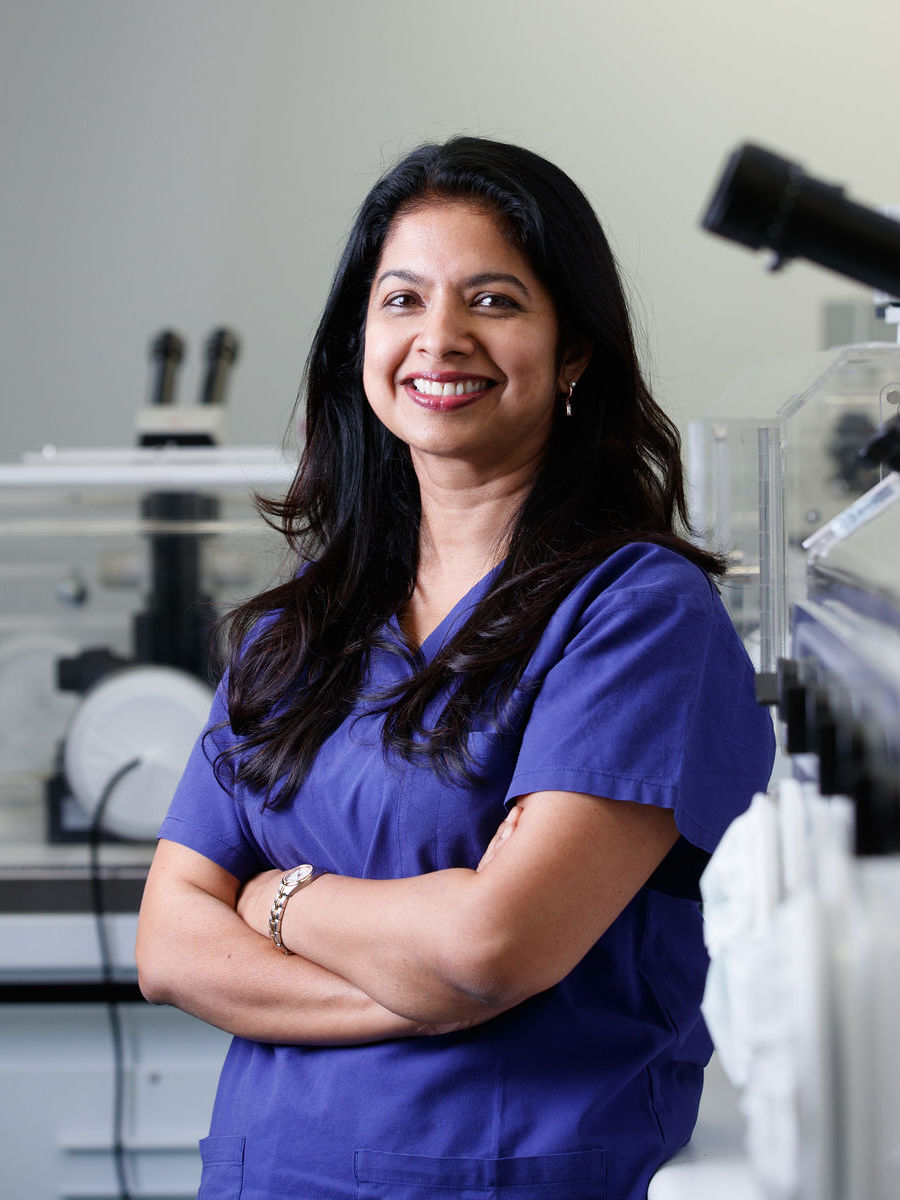
All content on this page has been reviewed and verified by Dr Priya Sivadas for factual accuracy and clinical correctness.
- FRANZCOG — Fellow of RANZCOG
- CREI — Certified Reproductive Endocrinology & Infertility
- MMed (Rep Med) — Master of Reproductive Medicine, UNSW
- MBBS — Bachelor of Medicine & Surgery
- DGO — Diploma in Gynaecology & Obstetrics
- MD — Doctor of Medicine (O&G)
Questions About Your Menstrual Cycle?
If you're concerned about your periods or cycle, Dr Priya Sivadas can help evaluate and address any issues.
Make an Appointment