
For healthy couples under 35, about 80-85% will conceive within 12 months of regular unprotected intercourse. This means it's perfectly normal for conception to take several months. However, if you're over 35 and haven't conceived after 6 months, or if you have known risk factors, it's worth seeking advice sooner.
Common Questions About Conception Timelines
What are the chances of getting pregnant each month?
Even with perfect timing, the chance of conception in any single cycle is limited:
This means that not conceiving in the first few months is completely normal, even when everything is working well. Human reproduction is naturally less efficient than many people assume.
How do chances accumulate over time?
For healthy couples under 35 having regular intercourse:
- After 1 month: ~20-25% will have conceived
- After 3 months: ~45-50% will have conceived
- After 6 months: ~65-70% will have conceived
- After 12 months: ~80-85% will have conceived
- After 18 months: ~90% will have conceived
When should I seek medical help?
General guidelines for when to see a doctor:
Under 35
After 12 months of regular unprotected intercourse without conceiving.
35-39
After 6 months of trying. Time is more of a factor, so earlier investigation is recommended.
40+
Seek specialist advice promptly. Starting investigations early maximises your options.
Known risk factors
Seek advice before trying if you have irregular periods, endometriosis, polycystic ovary syndrome (PCOS), now officially renamed polyendocrine metabolic ovarian syndrome (PMOS), or other known issues.
Learn more about when to see a fertility specialist.
How should we time intercourse?
There are two approaches, and both work:
Simple approach
Have intercourse every 2-3 days throughout the cycle. No tracking needed. This ensures sperm are always present when ovulation occurs.
Targeted approach
Use ovulation predictor kits or track your cycle to identify your fertile window (typically 5 days before and the day of ovulation). Focus intercourse on these days.
The most important thing is that trying to conceive shouldn't become stressful. If tracking is adding pressure, the simple approach of regular intercourse is perfectly effective.
What can improve our chances?
- Maintain a healthy weight, both partners
- Don't smoke, smoking reduces fertility for both men and women
- Limit alcohol, can affect ovulation and sperm quality
- Take folic acid, essential for early pregnancy development
- Reduce caffeine, keep to 1-2 cups of coffee per day
- Manage stress, while normal stress doesn't prevent pregnancy, your wellbeing matters
- Regular intercourse, every 2-3 days throughout the cycle
Related Pages
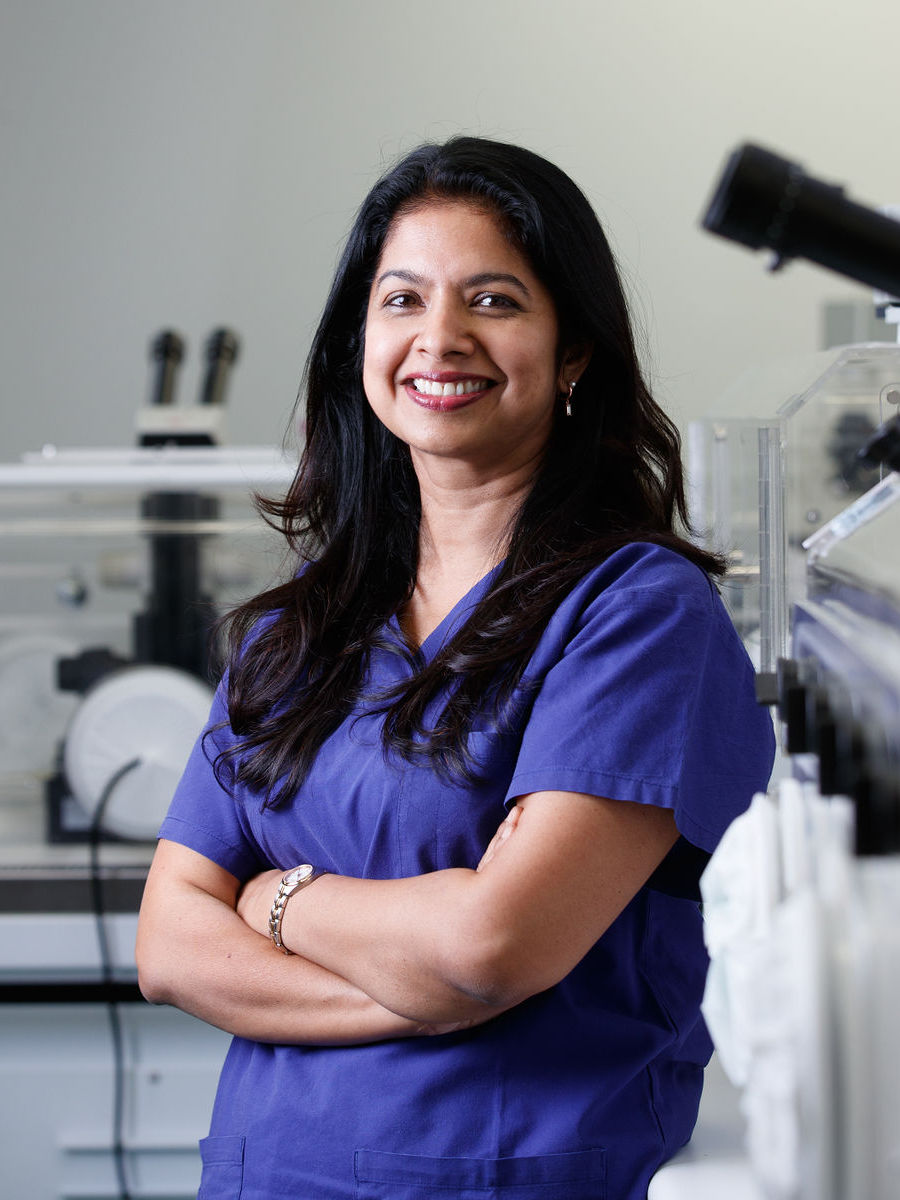
All content on this page has been reviewed and verified by Dr Priya Sivadas for factual accuracy and clinical correctness.
- FRANZCOG — Fellow of RANZCOG
- CREI — Certified Reproductive Endocrinology & Infertility
- MMed (Rep Med) — Master of Reproductive Medicine, UNSW
- MBBS — Bachelor of Medicine & Surgery
- DGO — Diploma in Gynaecology & Obstetrics
- MD — Doctor of Medicine (O&G)
Ready to Start Your Family Journey?
Dr Priya Sivadas can provide preconception guidance or investigate if conception is taking longer than expected.
Make an Appointment