
Yes, you can get pregnant with irregular periods. While irregular cycles may make it harder to predict ovulation and time intercourse, pregnancy remains possible. The most important factor is whether ovulation is occurring, even if unpredictably.
Common Questions About Irregular Periods and Pregnancy
Why do irregular periods make it harder to conceive?
Irregular periods often signal irregular or absent ovulation (anovulation). Without ovulation, there's no egg available to fertilise. Even when ovulation does occur, unpredictable timing makes it difficult to identify your fertile window, the days when intercourse is most likely to result in pregnancy. This can lead to missed opportunities or unnecessary stress about timing.
How can I tell if I'm ovulating with irregular cycles?
Several signs can help you identify ovulation, even with irregular cycles:
- Cervical mucus changes, becomes clear, slippery, and stretchy (like egg white)
- Mild one-sided pelvic pain or twinges (mittelschmerz)
- Breast tenderness
- Slight increase in basal body temperature after ovulation
- Increased libido around ovulation
Ovulation predictor kits (OPKs) detect the LH surge that occurs 24-36 hours before ovulation and can be helpful, though with irregular cycles you may need to test over a longer period.
What causes irregular periods?
Many factors can cause irregular cycles:
- Polycystic ovary syndrome (PCOS), the most common cause of irregular periods in reproductive-age women
- Thyroid disorders, both overactive and underactive thyroid can disrupt cycles
- Stress and lifestyle factors, significant stress, weight changes, or excessive exercise
- Hormonal imbalances, including high prolactin levels
- Perimenopause, the transition to menopause, typically starting in the mid-40s
What treatments can help me conceive with irregular periods?
Treatment depends on the underlying cause of your irregular cycles. Options include:
- Lifestyle modifications, weight management, stress reduction, and moderate exercise can restore regular ovulation, particularly in PCOS
- Ovulation induction, medications like Clomiphene (Clomid) or Letrozole stimulate ovulation in women who aren't ovulating regularly
- Treating underlying conditions, thyroid medication, metformin for insulin resistance, or treatment for high prolactin
- Assisted reproduction, IUI or IVF may be recommended if other treatments haven't been successful
Learn more about ovulation problems and treatment options.
When should I see a fertility specialist?
Consider consulting a fertility specialist if:
- You've been trying to conceive for 12 months without success (or 6 months if you're over 35)
- Your periods are consistently more than 35 days apart
- You're not having periods at all
- You have known PCOS or other conditions affecting ovulation
- You'd like to understand your fertility options earlier rather than waiting
Tips for Trying to Conceive with Irregular Cycles
- 1Have regular intercourse (every 2-3 days) throughout your cycle rather than trying to time ovulation precisely
- 2Track your cycles and any ovulation signs to identify patterns
- 3Maintain a healthy weight, being significantly over or underweight can affect ovulation
- 4Manage stress where possible, chronic stress can disrupt hormonal balance
- 5Avoid smoking and limit alcohol, both can affect fertility
- 6Consider seeing a specialist earlier rather than later if you have known irregular cycles
Related Pages
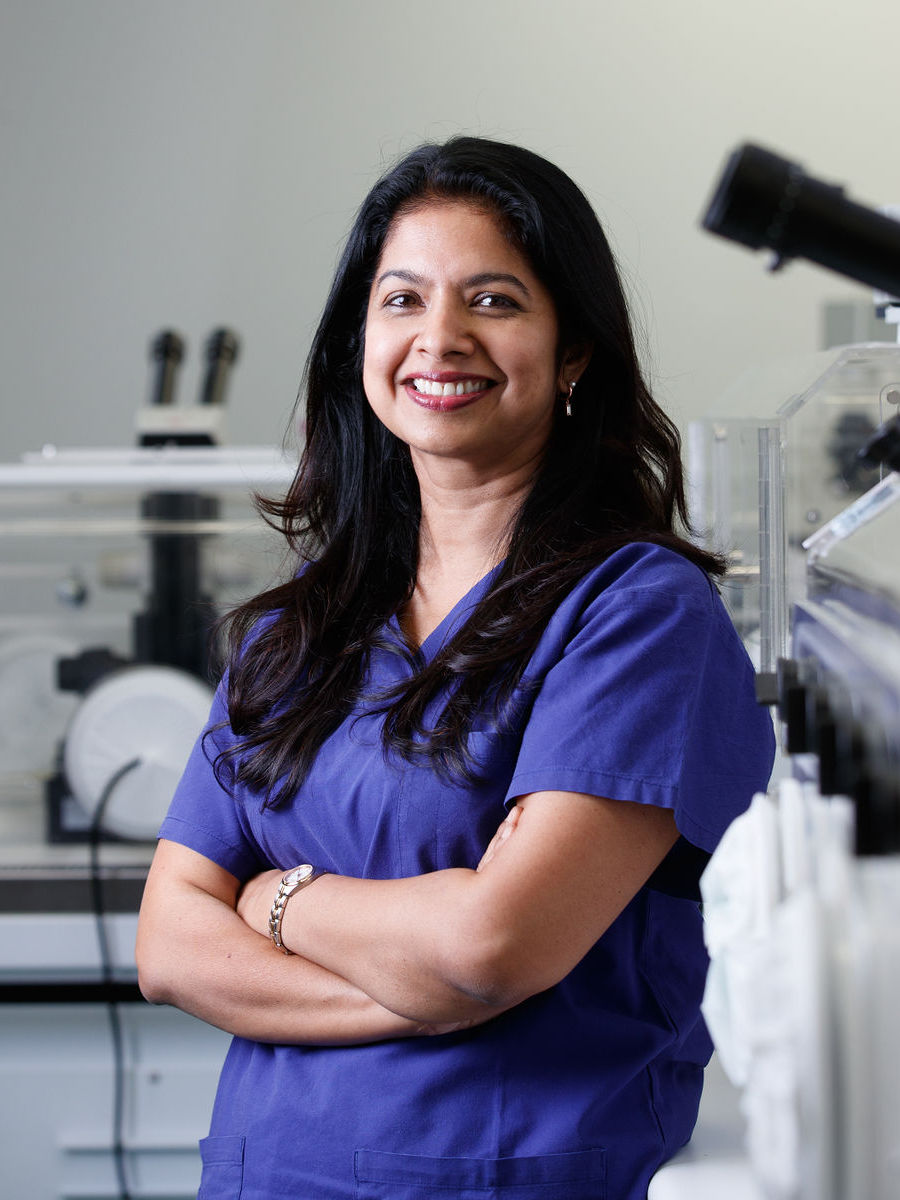
All content on this page has been reviewed and verified by Dr Priya Sivadas for factual accuracy and clinical correctness.
- FRANZCOG — Fellow of RANZCOG
- CREI — Certified Reproductive Endocrinology & Infertility
- MMed (Rep Med) — Master of Reproductive Medicine, UNSW
- MBBS — Bachelor of Medicine & Surgery
- DGO — Diploma in Gynaecology & Obstetrics
- MD — Doctor of Medicine (O&G)
Concerned About Irregular Periods and Fertility?
Dr Priya Sivadas can help investigate the cause of irregular cycles and discuss your fertility options.
Make an Appointment