
While much attention is given to maternal age and fertility, paternal age also matters, though the effects are generally more gradual and less dramatic. Unlike women, who are born with all their eggs and experience menopause, men continue producing sperm throughout life. However, sperm quality does decline with age.
Understanding these changes helps couples make informed decisions about family planning, particularly when the male partner is over 40.
Male vs Female Fertility Decline
Female Fertility
- • Fixed number of eggs from birth
- • Significant decline after 35
- • Steep decline after 40
- • Ends at menopause (average age 51)
- • Egg quality declines with age
Male Fertility
- • Continuous sperm production
- • Gradual decline from 40
- • More noticeable after 45-50
- • No defined endpoint
- • Sperm quality declines with age
The key difference is the rate and nature of decline. Female fertility has a more defined "cliff edge," while male fertility experiences a more gradual slope. This doesn't mean male age is unimportant, just that its effects are less absolute.
How Age Affects Sperm
Several aspects of sperm change with increasing age:
| Parameter | Change with Age | Typically Starts |
|---|---|---|
| Sperm count | Gradual decline | From 40s |
| Sperm motility | Decreases | From 40s |
| Sperm morphology | More abnormalities | Ongoing |
| Semen volume | Decreases | From 40s |
| Testosterone | Gradual decline (~1% per year after 40) | From 30-40 |
| DNA fragmentation | Increases | From 40s |
| Time to conception | May take longer | From 45+ |
Sperm DNA and Age
One of the more significant effects of paternal age is increased sperm DNA fragmentation, damage to the genetic material within sperm. This can affect:
- Fertilisation rates (though sperm can still fertilise with some DNA damage)
- Embryo development and quality
- Miscarriage risk (slightly increased)
- Potential for passing on genetic mutations
Learn more about sperm DNA fragmentation testing.
Impact on Fertility and Pregnancy
Time to Conception
Couples where the male partner is over 40-45 may take longer to conceive compared to younger couples. This effect is more pronounced when combined with advanced maternal age.
Assisted Reproduction Success
Advanced paternal age may slightly reduce IVF success rates, though maternal age remains the dominant factor. ICSI outcomes may be less affected by paternal age since sperm are directly injected.
Miscarriage Risk
Some studies suggest a modest increase in miscarriage risk with advanced paternal age, potentially related to sperm DNA quality. However, maternal age remains the stronger predictor.
Effects on Offspring Health
Advanced paternal age (generally considered over 40-45) is associated with slightly increased risks of certain conditions in offspring:
- Certain single-gene mutations (e.g., achondroplasia)
- Autism spectrum disorder (modest increase in relative risk)
- Schizophrenia (modest increase in relative risk)
- Some childhood cancers (very small absolute risk increase)
Important context: While these relative risks are increased, the absolute risks remain low. The vast majority of children born to older fathers are healthy. These statistics are not meant to discourage older men from having children, but to provide complete information for decision-making.
Optimising Fertility at Any Age
While you can't stop the clock, lifestyle factors become even more important as you age:
- 1Don't smoke, smoking accelerates sperm ageing
- 2Limit alcohol, excessive drinking compounds age-related decline
- 3Maintain a healthy weight, obesity affects testosterone and sperm quality
- 4Stay active, regular exercise supports hormonal health
- 5Eat well, antioxidant-rich diet may help protect sperm DNA
- 6Avoid excessive heat, protect sperm production
- 7Consider testing, a semen analysis provides baseline information
Frequently Asked Questions
Related Pages
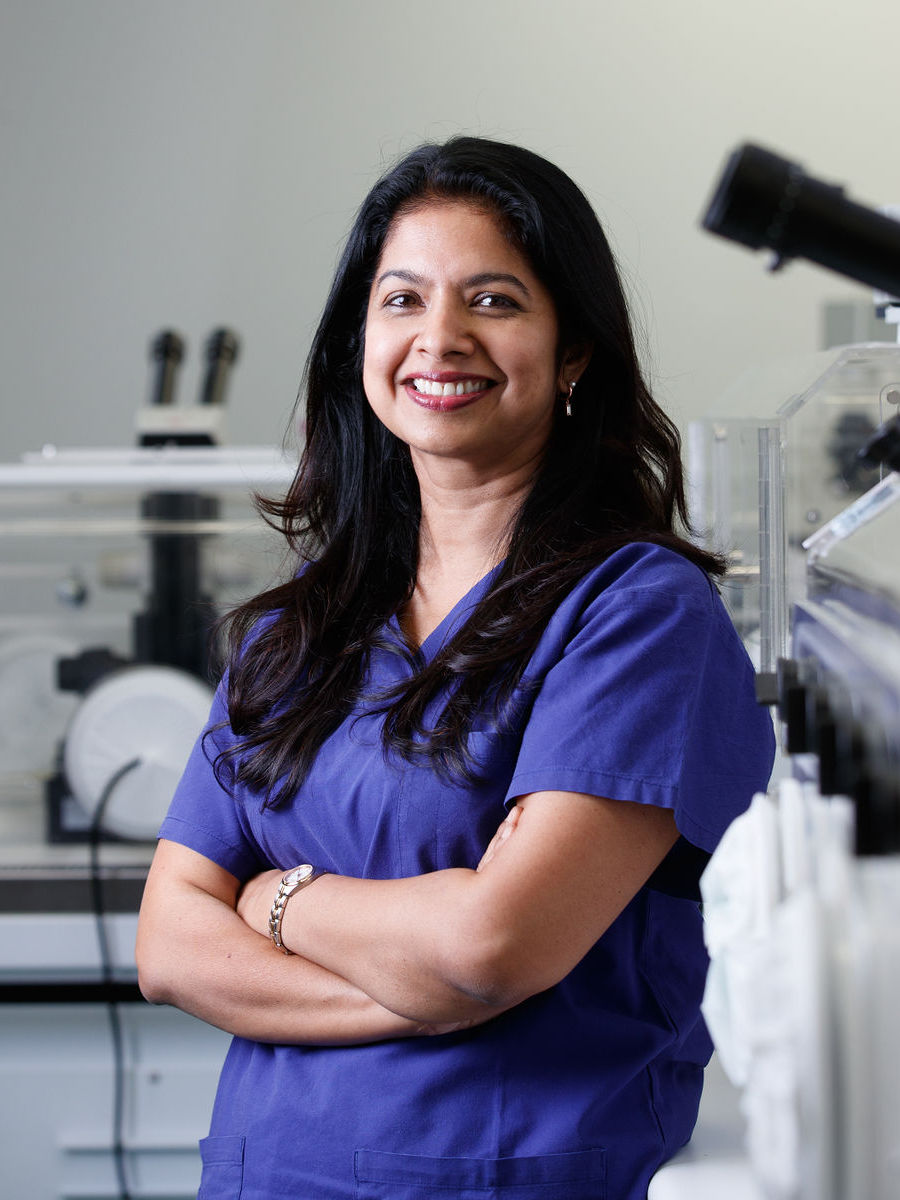
All content on this page has been reviewed and verified by Dr Priya Sivadas for factual accuracy and clinical correctness.
- FRANZCOG — Fellow of RANZCOG
- CREI — Certified Reproductive Endocrinology & Infertility
- MMed (Rep Med) — Master of Reproductive Medicine, UNSW
- MBBS — Bachelor of Medicine & Surgery
- DGO — Diploma in Gynaecology & Obstetrics
- MD — Doctor of Medicine (O&G)
Questions About Age and Male Fertility?
Dr Priya Sivadas can discuss your individual situation and recommend appropriate testing or treatment options.
Make an Appointment