
How Age Affects Female Fertility
Age is the single most significant factor affecting female fertility. Understanding how fertility changes over time can help you make informed decisions about family planning, whether you're thinking about starting a family now or in the future.
Fertility Through the Decades
Women are born with all the eggs they will ever have, typically around one to two million. By puberty, this number has already declined to approximately 300,000 to 400,000. Throughout reproductive life, eggs are lost through both ovulation and natural cell death.
Fertility by Age
20s
Peak fertility. Monthly conception chance approximately 25 to 30% with regular intercourse. Miscarriage risk lowest.
Early 30s
Fertility remains good but begins to decline gradually. Monthly conception chance approximately 20%.
Late 30s
More noticeable decline, particularly after 35. Monthly conception chance drops to 10 to 15%. Miscarriage risk increases.
40s
Significant decline in both egg quantity and quality. Monthly conception chance approximately 5% or less. Higher chromosomal abnormality rates.
These figures represent averages. Individual variation is substantial, which is why personalised fertility assessment can be valuable.
Egg Quantity vs Egg Quality
When discussing age-related fertility decline, two distinct factors are at play: the number of eggs remaining (quantity) and the chromosomal health of those eggs (quality).
Egg quantity can be estimated through an AMH blood test and ultrasound assessment of antral follicles. These tests provide useful information about ovarian reserve.
Egg quality is more challenging to assess. As women age, a higher proportion of eggs carry chromosomal abnormalities. This is why older women experience higher rates of:
- Difficulty conceiving
- Miscarriage
- Chromosomal conditions such as Down syndrome
Importantly, egg quality cannot be determined by blood tests or ultrasound alone. A woman may have excellent ovarian reserve markers yet still have age-related egg quality decline.
The "Regular Cycles" Misconception
One of the most common misconceptions is that regular menstrual cycles indicate good fertility. While regular ovulation is certainly important for conception, it doesn't tell the whole story.
Women typically continue having regular periods well into their 40s, often until just a few years before menopause. However, the eggs released during these cycles are increasingly likely to be chromosomally abnormal.
Key point: Regular periods confirm you're ovulating, but they cannot tell you about the quality of the eggs being released or how many eggs remain.
This is why age remains the most important factor in fertility assessment, regardless of menstrual regularity.
When Should Age Prompt a Fertility Assessment?
General guidelines suggest seeking advice if you haven't conceived after:
- 12 months of regular unprotected intercourse if under 35
- 6 months if aged 35 to 39
- 3 months if aged 40 or over
However, proactive assessment can be valuable even before you start trying, particularly if you:
- Are considering delaying pregnancy for career or personal reasons
- Have a family history of early menopause
- Have had previous ovarian surgery or cancer treatment
- Simply want to understand your fertility status to inform future planning
A baseline assessment can provide valuable information without committing you to any particular course of action.
Options at Different Ages
Understanding your options helps you make informed decisions at any stage:
Fertility Preservation
Egg freezing allows women to store eggs at their current quality for potential future use. This is most effective when done at younger ages, ideally before 35.
Fertility Testing
Ovarian reserve testing through AMH and ultrasound can help you understand where you stand and inform decisions about timing.
Assisted Reproduction
IVF treatment can help overcome many fertility challenges, though success rates are still influenced by age.
Donor Options
For women where egg quality is significantly compromised, donor eggs can offer excellent success rates regardless of the recipient's age.
Frequently Asked Questions
If you'd like to understand how age may be affecting your fertility or discuss your options, a consultation can provide personalised guidance based on your individual situation.
Book a Fertility Planning Consultation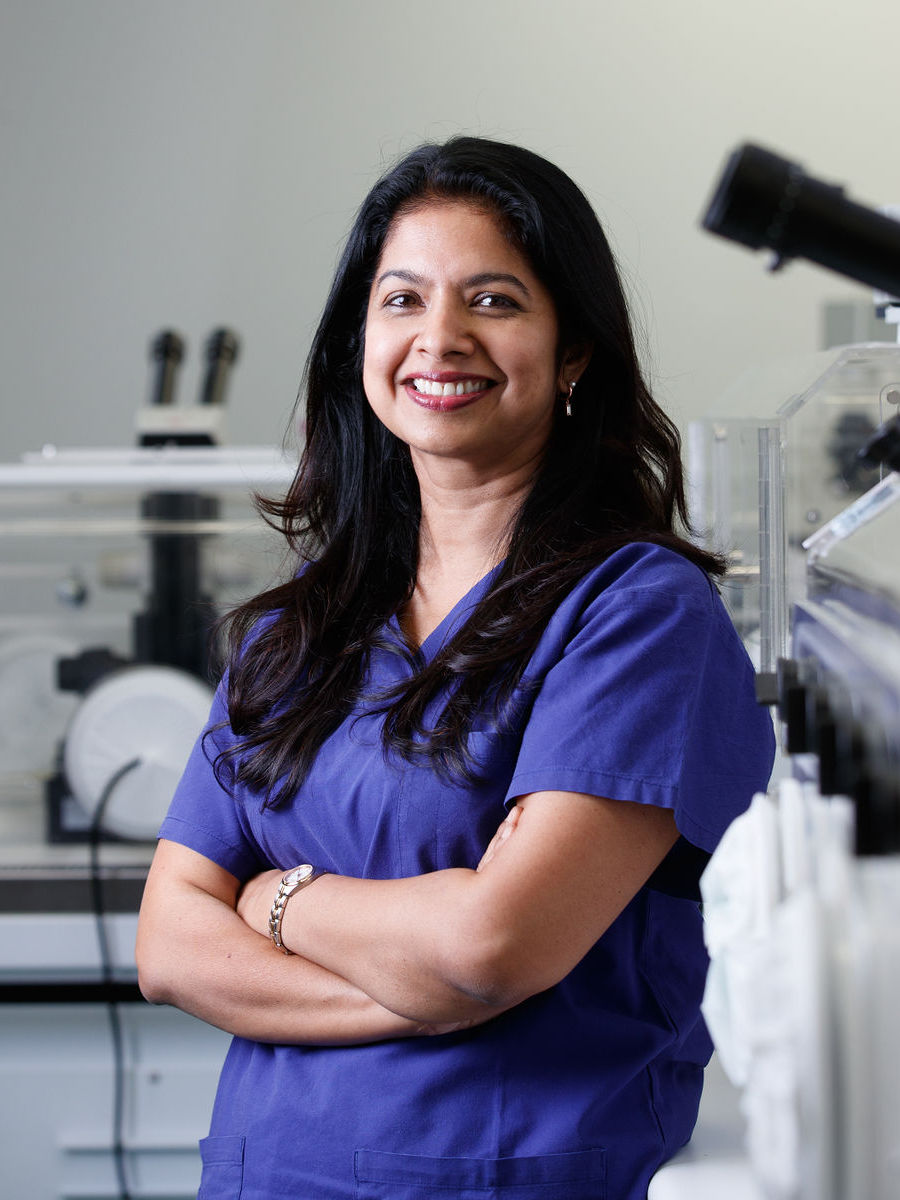
All content on this page has been reviewed and verified by Dr Priya Sivadas for factual accuracy and clinical correctness.
- FRANZCOG — Fellow of RANZCOG
- CREI — Certified Reproductive Endocrinology & Infertility
- MMed (Rep Med) — Master of Reproductive Medicine, UNSW
- MBBS — Bachelor of Medicine & Surgery
- DGO — Diploma in Gynaecology & Obstetrics
- MD — Doctor of Medicine (O&G)