
A gynaecologist is a specialist doctor who focuses on women's reproductive health. While your GP can manage many gynaecological issues, there are times when specialist input is valuable, whether for diagnosis, treatment of specific conditions, or expert advice on complex concerns.
Common Reasons to See a Gynaecologist
Period Problems
- Irregular periods (cycles shorter than 21 days or longer than 35 days)
- Very heavy periods (soaking through protection every 1-2 hours)
- Severe period pain that affects daily activities
- Bleeding between periods
- No periods for 3+ months (if not pregnant)
Pain
- Chronic pelvic pain
- Pain during intercourse
- Sudden severe pelvic pain
Fertility Concerns
- Trying to conceive for 12 months without success (6 months if over 35)
- Recurrent miscarriages
- Questions about fertility preservation or egg freezing
Other Concerns
- Abnormal vaginal discharge
- Menopausal symptoms
- Contraception advice
- Cervical screening due or abnormal results
- Family history of gynaecological conditions
Your First Gynaecology Visit
What age should you start seeing a gynaecologist?
There is no specific age when you "should" first see a gynaecologist. Common reasons for a first visit include period problems during adolescence, becoming sexually active, needing contraception advice, cervical screening (from age 25 in Australia), or planning pregnancy.
What to Expect at Your Appointment
Discussion of Your Concerns
Your gynaecologist will ask about your symptoms, menstrual history, medical history, and any specific concerns.
Examination (If Needed)
Not all appointments require examination. When needed, your doctor will explain what is involved. A chaperone is always available.
Investigations
Your doctor may recommend blood tests, ultrasound, or other investigations. These may be done at the appointment or arranged separately.
Discussion and Plan
Your gynaecologist will explain findings, discuss diagnosis if applicable, and outline treatment options.
Frequently Asked Questions
Related Pages
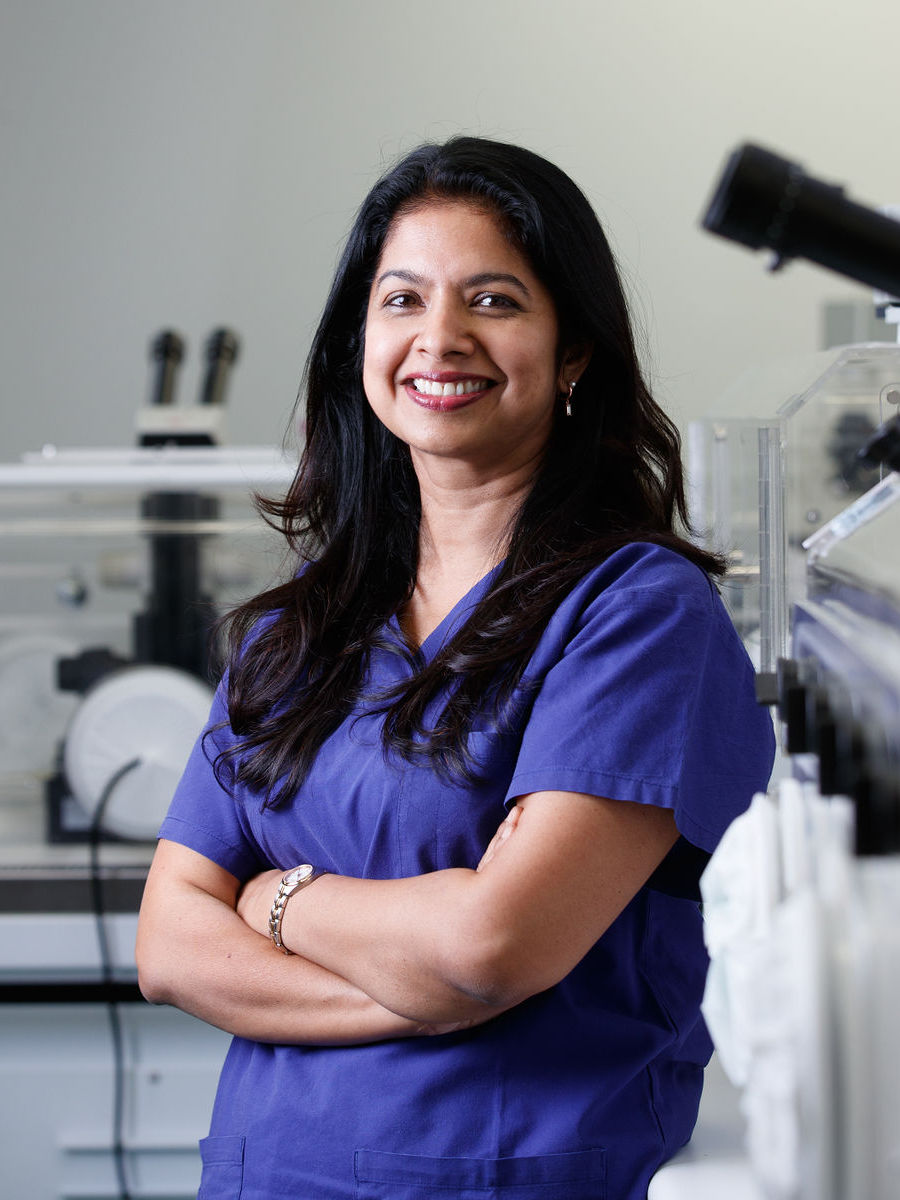
All content on this page has been reviewed and verified by Dr Priya Sivadas for factual accuracy and clinical correctness.
- FRANZCOG — Fellow of RANZCOG
- CREI — Certified Reproductive Endocrinology & Infertility
- MMed (Rep Med) — Master of Reproductive Medicine, UNSW
- MBBS — Bachelor of Medicine & Surgery
- DGO — Diploma in Gynaecology & Obstetrics
- MD — Doctor of Medicine (O&G)
Need to See a Gynaecologist?
Dr Priya Sivadas provides comprehensive gynaecological care in a supportive environment.
Make an Appointment