
Hormonal acne and period problems are often connected through underlying hormonal imbalances, particularly elevated androgens (male hormones). If you're experiencing persistent acne along with irregular periods, these symptoms may share a common cause that's worth investigating.
Understanding the Acne-Period Connection
Why are acne and period problems often linked?
Both acne and menstrual irregularities can be symptoms of hormonal imbalance, specifically, conditions involving elevated androgens (male hormones like testosterone). Androgens stimulate oil glands in the skin, leading to acne, while also disrupting normal ovulation and menstrual cycles.
The most common condition causing this combination is polycystic ovary syndrome (PCOS), which affects approximately 1 in 10 women.
Cyclical vs persistent hormonal acne, what's the difference?
Cyclical Acne
Breakouts that occur predictably around your period (usually the week before)
This is caused by normal hormonal fluctuations and is very common. It doesn't necessarily indicate a hormonal disorder.
Persistent Hormonal Acne
Acne that's present throughout the cycle, often along the jawline, chin, and lower face
When combined with irregular periods, this pattern is more likely to indicate an underlying hormonal imbalance.
What conditions cause both acne and period problems?
- PCOS (Polycystic Ovary Syndrome), The most common cause, involves elevated androgens, irregular ovulation, and often polycystic ovaries on ultrasound
- Late-onset congenital adrenal hyperplasia, A genetic condition affecting hormone production in the adrenal glands
- Other hormonal imbalances, Including thyroid disorders and elevated prolactin, which can affect both skin and cycles
- Insulin resistance, Often associated with PCOS, can worsen both acne and menstrual irregularity
When should I see a doctor about hormonal acne?
Consider seeking evaluation if your acne is accompanied by:
- Irregular periods (cycles longer than 35 days or fewer than 8 periods per year)
- Excess facial or body hair (hirsutism)
- Hair thinning or male-pattern hair loss
- Acne that doesn't respond to standard skin treatments
- Acne that started or worsened significantly in adulthood
- Other symptoms like unexplained weight gain or difficulty losing weight
A gynaecologist can evaluate these symptoms together and determine if conditions like PCOS or hormonal imbalance are contributing.
What tests might be recommended?
If a hormonal cause is suspected, your doctor may recommend:
- Hormone blood tests, Including testosterone, DHEAS, FSH, LH, and sometimes 17-hydroxyprogesterone
- Thyroid function tests, To rule out thyroid disorders
- Fasting glucose and insulin, To assess for insulin resistance
- Pelvic ultrasound, To check for polycystic ovaries and other structural issues
How are hormonal acne and period problems treated together?
Treatment addresses the underlying hormonal imbalance, which often improves both symptoms:
- Combined oral contraceptive pill, Regulates cycles and suppresses androgens, helping both periods and acne
- Anti-androgen medications, Such as spironolactone, which blocks androgen effects on the skin
- Metformin, If insulin resistance is present, can help regulate hormones
- Lifestyle modifications, Weight management, exercise, and dietary changes can improve both conditions in PCOS
- Topical treatments, May still be used alongside hormonal treatment for optimal skin results
A combined approach, addressing the hormonal cause while also using skin-directed treatments, is often most effective for persistent hormonal acne.
Key Points
- ✓Persistent acne + irregular periods often indicates a hormonal cause worth investigating
- ✓PCOS is the most common condition linking these symptoms
- ✓Cyclical premenstrual acne alone is usually normal and doesn't require hormonal testing
- ✓Treating the underlying hormonal issue often improves both skin and cycles
- ✓A gynaecologist can evaluate hormonal symptoms that go beyond just skin concerns
Related Pages
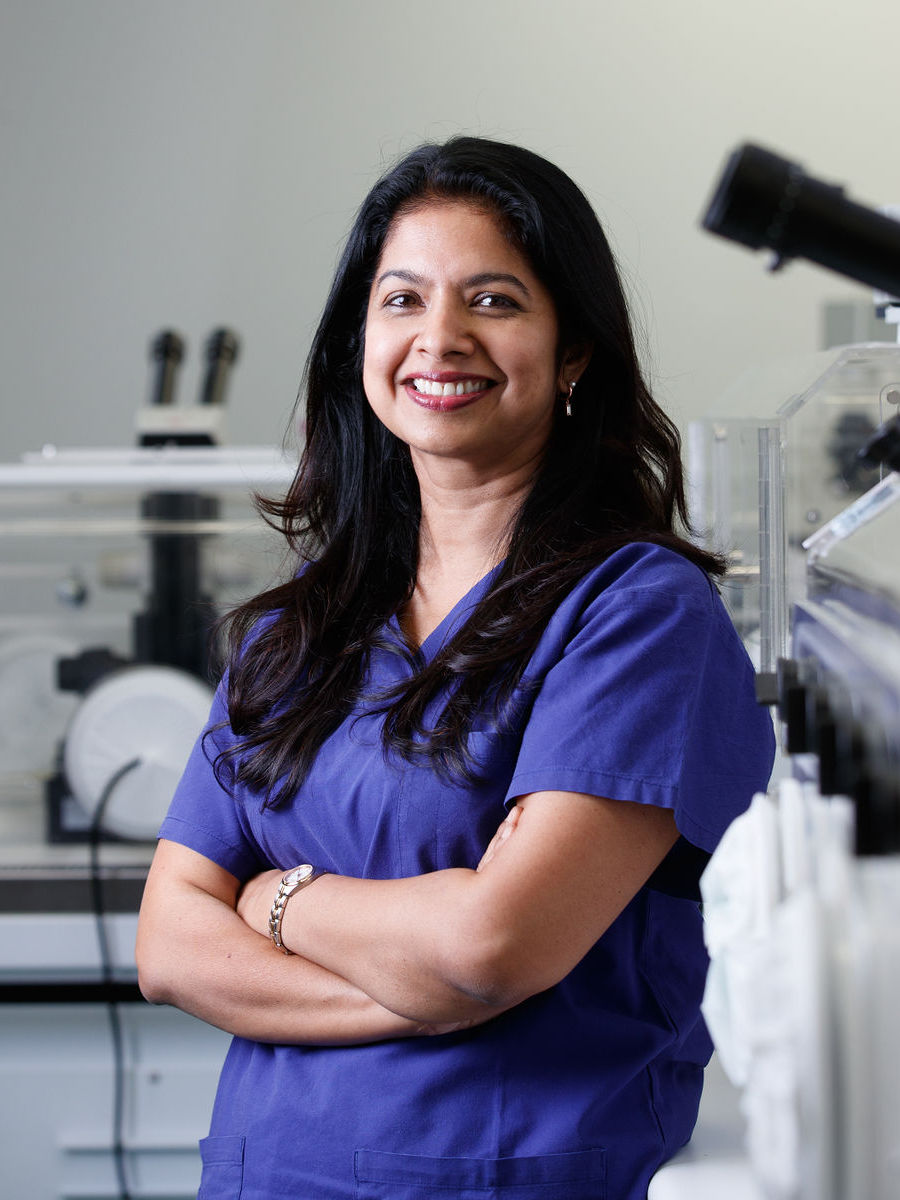
All content on this page has been reviewed and verified by Dr Priya Sivadas for factual accuracy and clinical correctness.
- FRANZCOG — Fellow of RANZCOG
- CREI — Certified Reproductive Endocrinology & Infertility
- MMed (Rep Med) — Master of Reproductive Medicine, UNSW
- MBBS — Bachelor of Medicine & Surgery
- DGO — Diploma in Gynaecology & Obstetrics
- MD — Doctor of Medicine (O&G)
Concerned About Hormonal Symptoms?
Dr Priya Sivadas can help evaluate whether your acne and period problems share a hormonal cause.
Make an Appointment