
Age is the single most important factor influencing IVF success. While IVF technology has improved significantly over the years, it cannot entirely overcome the biological reality of declining egg quality with age. Understanding these statistics can help you make informed decisions about your fertility journey.
It's important to remember that statistics represent averages, your individual outcome may be better or worse depending on your specific circumstances. These figures should be used as a guide, not a prediction.
Live Birth Rates per IVF Cycle
The following are approximate live birth rates per embryo transfer cycle using the woman's own eggs:
| Age Group | Live Birth Rate | Context |
|---|---|---|
| Under 30 | 40-50% | Highest success rates |
| 30-34 | 35-40% | Still very good outcomes |
| 35-37 | 30-35% | Gradual decline begins |
| 38-40 | 20-25% | More noticeable decline |
| 41-42 | 10-15% | Significant reduction |
| 43+ | ~5% | Donor eggs may be considered |
These are approximate figures based on published data. Individual clinic results may vary. Cumulative success rates (over multiple cycles) are typically higher.
Why Age Matters So Much
Egg Quality
The most significant factor. As eggs age, they're more likely to contain chromosomal abnormalities, which is the primary reason for lower fertilisation rates, failed implantation, and miscarriage.
Egg Quantity
Ovarian reserve declines with age, meaning fewer eggs are available for collection during an IVF cycle. This reduces the chances of having viable embryos for transfer.
Response to Stimulation
Older ovaries may respond less well to the hormonal medications used to stimulate egg production, potentially requiring higher doses or different protocols.
Miscarriage Risk
Even when pregnancy is achieved, the risk of miscarriage increases with age, from about 10-15% under 35 to over 50% at 45+, largely due to chromosomal abnormalities in embryos.
Factors That Can Improve Your Chances
- 1Optimise your health before starting, healthy weight, balanced diet, no smoking
- 2Consider your ovarian reserve, AMH testing gives useful baseline information
- 3Don't delay unnecessarily, time is a factor, especially after 35
- 4Follow your specialist's protocol carefully, medication timing matters
- 5Consider preimplantation genetic testing (PGT), can identify chromosomally normal embryos
- 6Frozen embryo transfer, may offer slightly better outcomes in some cases
- 7Multiple cycles, cumulative success rates over several cycles are higher than single-cycle rates
Donor Eggs: An Alternative
For women over 40 or those with very low ovarian reserve, donor eggs from younger women offer significantly higher success rates. Using donor eggs, success rates of 50-60% per cycle are achievable regardless of the recipient's age, because it's the age of the egg that primarily determines outcome.
This is a deeply personal decision, and Dr Priya can discuss all aspects of donor egg treatment to help you decide if it's right for you.
Frequently Asked Questions
Related Pages
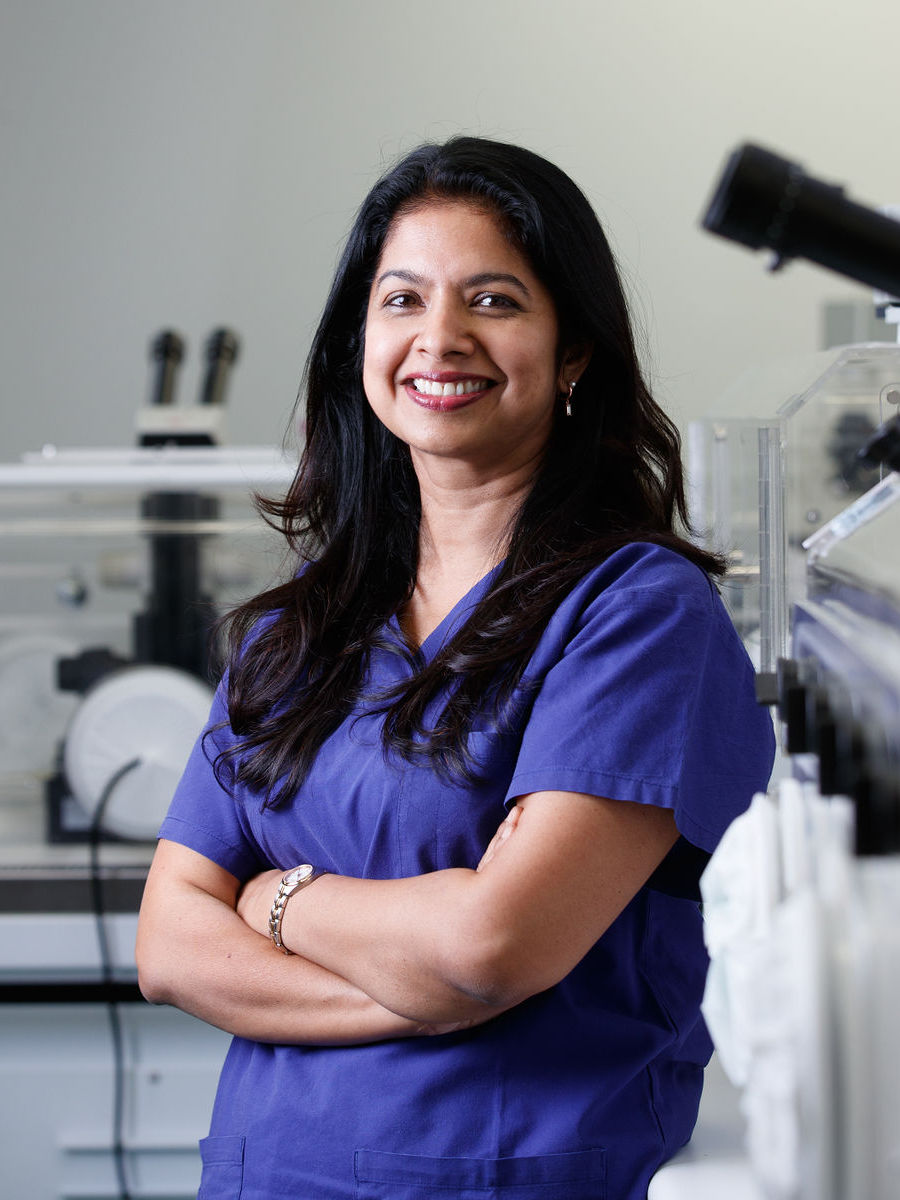
All content on this page has been reviewed and verified by Dr Priya Sivadas for factual accuracy and clinical correctness.
- FRANZCOG — Fellow of RANZCOG
- CREI — Certified Reproductive Endocrinology & Infertility
- MMed (Rep Med) — Master of Reproductive Medicine, UNSW
- MBBS — Bachelor of Medicine & Surgery
- DGO — Diploma in Gynaecology & Obstetrics
- MD — Doctor of Medicine (O&G)
Want to Discuss Your Individual Chances?
Dr Priya Sivadas can provide a personalised assessment based on your age, health, and circumstances.
Make an Appointment