
Is My Period Normal? Understanding Irregular Cycles
Menstrual irregularities are one of the most common reasons women seek gynaecological advice. This guide explains what's considered normal, when variation is cause for concern, and how irregular cycles may affect fertility.
What does a normal menstrual cycle look like?
A "normal" menstrual cycle has quite a broad range. While 28 days is often cited as average, cycles anywhere from 21 to 35 days are considered within normal limits.
Normal Cycle Parameters
| Cycle length | 21 to 35 days |
| Period duration | 2 to 7 days |
| Blood loss | 20 to 80ml (approximately 3 to 6 soaked pads or tampons per day at heaviest) |
| Variation | Up to 7 to 9 days variation between cycles is normal |
It's also normal for cycles to vary somewhat throughout your reproductive life, being more irregular in the years after your first period and again as you approach menopause.
What causes irregular periods?
Irregular periods can result from many factors, ranging from temporary lifestyle influences to underlying medical conditions.
Common Causes
- Polycystic ovary syndrome (PCOS): The most common hormonal disorder in women of reproductive age, causing infrequent or prolonged periods.
- Thyroid disorders: Both overactive and underactive thyroid can disrupt menstrual patterns.
- Elevated prolactin: This hormone, when raised, can interfere with ovulation.
- Premature ovarian insufficiency: Early decline in ovarian function before age 40.
- Endometriosis: Can cause painful, heavy, or irregular bleeding.
- Uterine fibroids or polyps: Benign growths that can cause heavy or prolonged bleeding.
Lifestyle and Temporary Factors
- Significant weight changes (gain or loss)
- Excessive exercise
- Stress
- Travel and time zone changes
- Recent contraceptive changes
- Breastfeeding
When do irregular cycles affect fertility?
The connection between irregular periods and fertility relates primarily to ovulation. Regular periods typically indicate regular ovulation, while irregular cycles may signal ovulation problems.
Infrequent ovulation (oligoovulation) means fewer opportunities for conception each year. If you're ovulating only 6 to 8 times per year instead of 12, your chances of conceiving in any given time period are reduced.
Absent ovulation (anovulation) prevents natural conception altogether. This can occur with very irregular or absent periods, common in conditions like PCOS.
However, irregular periods don't automatically mean infertility. Many women with somewhat irregular cycles still ovulate regularly enough to conceive. The key is understanding whether you're ovulating and, if not, addressing the underlying cause.
Important: If you have very irregular or absent periods and are trying to conceive, seeking advice earlier rather than later is sensible, as standard "wait 12 months" guidance assumes regular cycles.
When should I seek medical advice about my periods?
Consider seeing a doctor if you experience:
- Cycles consistently shorter than 21 days or longer than 35 days
- Periods that have become significantly heavier or more painful
- Bleeding between periods or after intercourse
- Periods lasting longer than 7 days
- No period for 3 months or more (when not pregnant or breastfeeding)
- Periods that suddenly become irregular after being regular
- Severe pain that interferes with daily activities
- Needing to change pads or tampons more than every 1 to 2 hours
Additionally, if you're over 35 and have noticed your cycles becoming shorter or more irregular, this may warrant investigation as it can sometimes indicate declining ovarian reserve.
What tests are usually done for irregular periods?
Investigation typically begins with a thorough history and may include:
Blood Tests
- • Pregnancy test
- • Thyroid function (TSH)
- • Prolactin levels
- • FSH, LH, oestradiol
- • AMH (ovarian reserve)
- • Androgens (if PCOS suspected)
Imaging
- • Pelvic ultrasound
- • Assessment of ovaries
- • Uterine evaluation
- • Antral follicle count
The specific tests recommended will depend on your symptoms, age, and whether you're trying to conceive. Results help identify treatable causes and guide appropriate management.
Can irregular periods be treated?
Treatment depends on the underlying cause and your goals (symptom management, conception, or both):
- Lifestyle modifications: If weight, stress, or exercise are contributing factors, addressing these can sometimes restore regularity.
- Hormonal treatments: The oral contraceptive pill can regulate cycles for women not currently trying to conceive. Other hormonal therapies may address specific imbalances.
- Ovulation induction: For women with irregular cycles who are trying to conceive, medications can stimulate ovulation.
- Treatment of underlying conditions: Managing thyroid disorders, treating PCOS with appropriate medications, or addressing other identified causes.
For gynaecology care related to menstrual issues, a specialist can help determine the most appropriate approach for your individual situation.
What should I track before my appointment?
Coming prepared with information about your cycles helps your doctor understand your pattern. Consider tracking:
- Start and end dates of your last several periods
- How heavy your bleeding is (light, moderate, heavy) each day
- Any pain and when it occurs
- Spotting between periods
- Any other symptoms (mood changes, headaches, breast tenderness)
- Current medications and contraceptive history
Many women find period tracking apps helpful for recording this information. Even a simple calendar noting period start dates provides valuable data.
Summary
Menstrual irregularity is common and often manageable. While some variation is normal, persistent irregularity warrants investigation, particularly if you're experiencing other symptoms or trying to conceive. Understanding the cause allows for appropriate treatment, whether your goal is symptom relief or improved fertility.
If you have concerns about your menstrual cycle or would like to discuss how irregular periods may be affecting your fertility, a consultation can provide clarity and guidance.
Book a Gynaecology Consultation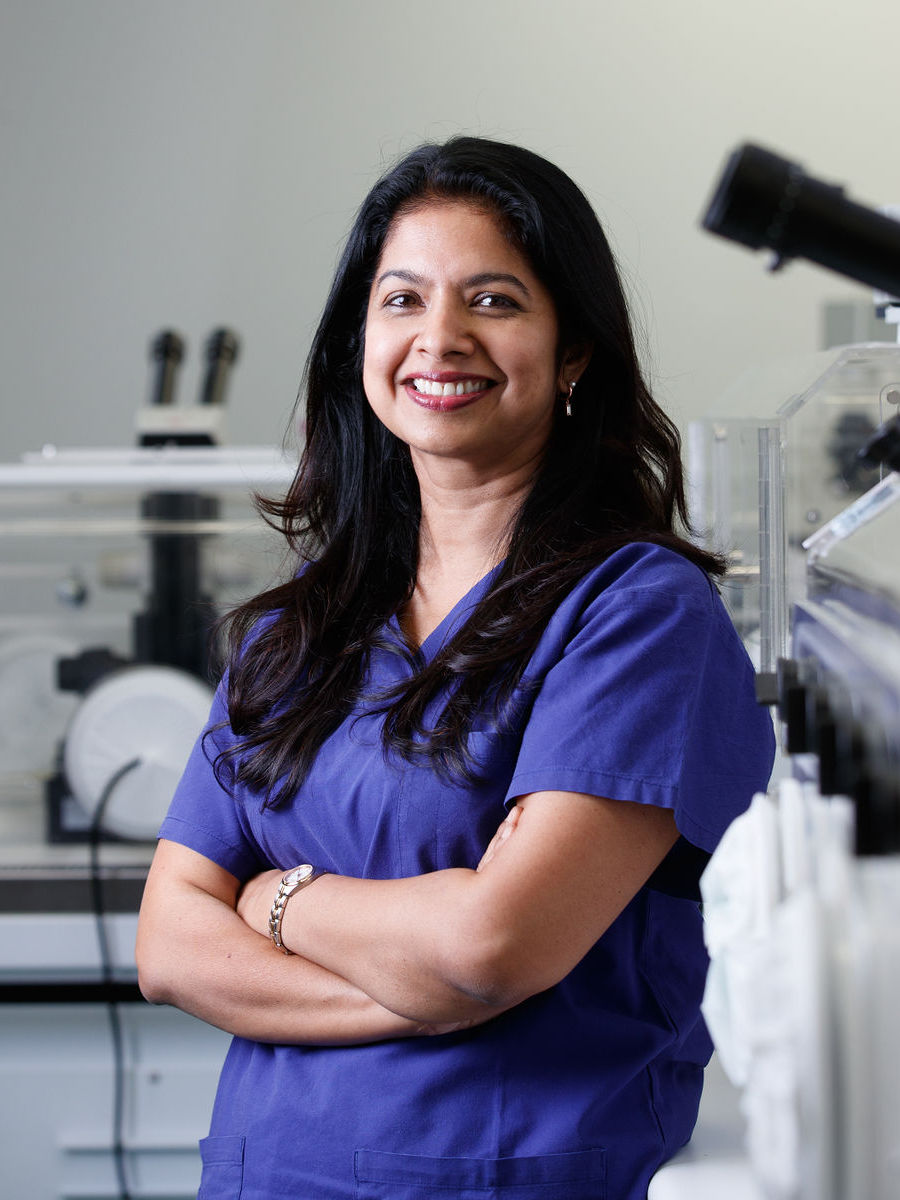
All content on this page has been reviewed and verified by Dr Priya Sivadas for factual accuracy and clinical correctness.
- FRANZCOG — Fellow of RANZCOG
- CREI — Certified Reproductive Endocrinology & Infertility
- MMed (Rep Med) — Master of Reproductive Medicine, UNSW
- MBBS — Bachelor of Medicine & Surgery
- DGO — Diploma in Gynaecology & Obstetrics
- MD — Doctor of Medicine (O&G)