
Sperm production takes approximately 74 days (about 2.5 months). This means any changes you make today won't appear in your semen analysis for at least 2-3 months. For optimal results, maintain positive changes for 3-6 months before reassessing.
The Sperm Production Timeline
You make lifestyle changes
New sperm complete development
Changes visible in semen analysis
Full improvement achieved
The sperm in your ejaculate today began developing 2-3 months ago. They've already been influenced by your lifestyle at that time, not your current habits. This is why patience is essential when trying to improve sperm quality.
Understanding the Process
What is spermatogenesis?
Spermatogenesis is the process by which sperm cells develop. It occurs continuously in the testes and involves:
- Stem cells dividing and maturing into sperm cells (~64 days)
- Sperm moving through the epididymis to mature (~10-14 days)
- Total time from start to mature sperm: approximately 74 days
Why can't sperm improvement happen faster?
The 74-day timeline is biological, it's how long it takes for sperm to develop properly. You can't accelerate this process. However, understanding it helps set realistic expectations:
- Testing too soon after making changes gives misleading results
- Stopping positive behaviours after a few weeks won't give them time to work
- The 'old' sperm need to be replaced with 'new' sperm made under better conditions
Timeline for specific changes
When should I repeat my semen analysis?
Timing your repeat test correctly is important:
- After lifestyle changes: Wait at least 2-3 months, ideally 3 months
- After medical treatment: Your doctor will advise, usually 3-6 months
- After illness or fever: Wait 3 months for full recovery
- If confirming an abnormal result: Can repeat after 2-4 weeks (since this reflects pre-change sperm)
What if I don't see improvement after 3-6 months?
If semen parameters haven't improved despite sustained lifestyle changes:
- Consider whether changes have been truly consistent
- Discuss additional testing (hormones, genetics, DNA fragmentation)
- Some causes of reduced fertility may not respond to lifestyle changes
- Fertility treatments may be recommended even if parameters don't fully normalise
Remember that even modest improvements in sperm quality can improve chances of natural conception or treatment success. Learn more about whether male fertility can improve.
Tips for Best Results
- 1Start all positive changes as soon as possible, don't wait
- 2Be patient: improvements take time even with optimal effort
- 3Stay consistent for at least 3 months before judging results
- 4Make multiple changes simultaneously for cumulative benefit
- 5Don't test too early, it may give falsely discouraging results
- 6Keep lifestyle improvements going even while trying to conceive
Related Pages
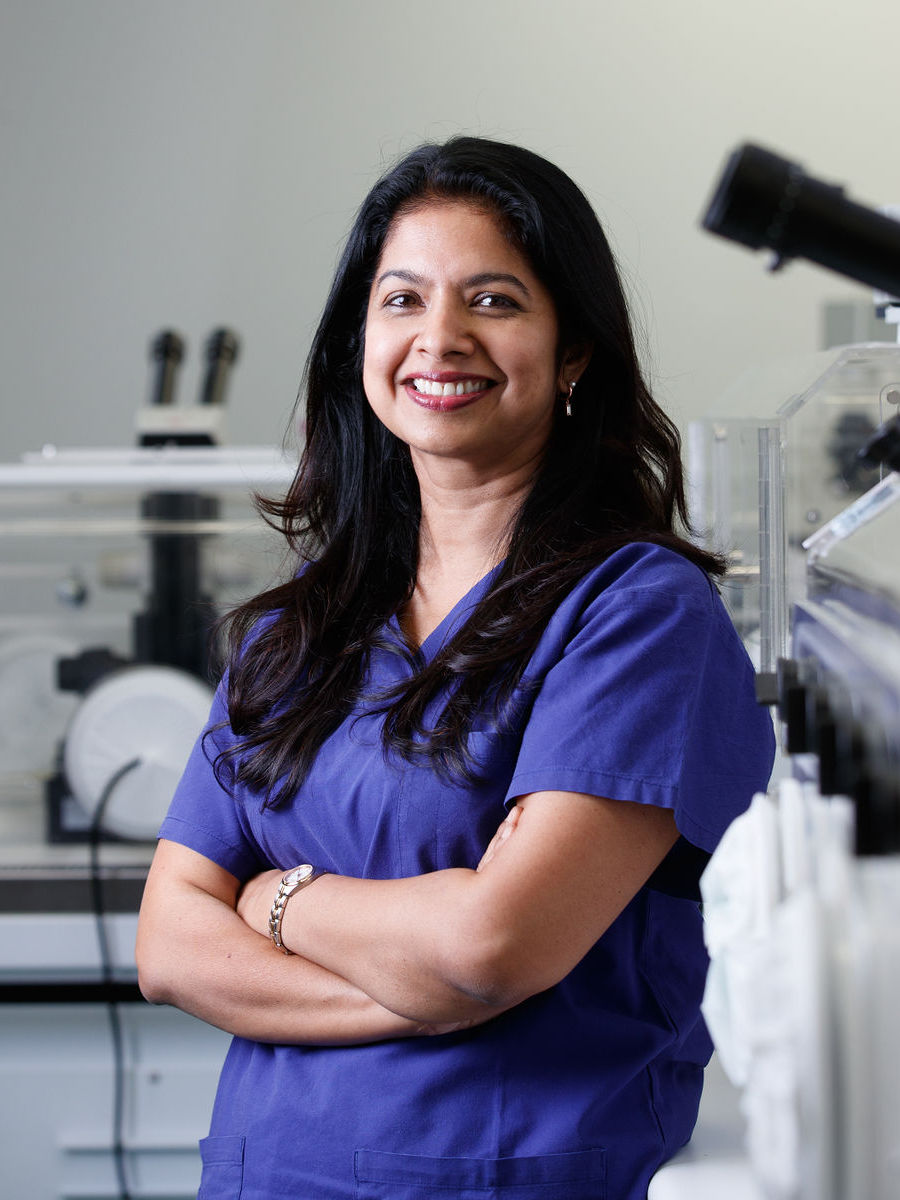
All content on this page has been reviewed and verified by Dr Priya Sivadas for factual accuracy and clinical correctness.
- FRANZCOG — Fellow of RANZCOG
- CREI — Certified Reproductive Endocrinology & Infertility
- MMed (Rep Med) — Master of Reproductive Medicine, UNSW
- MBBS — Bachelor of Medicine & Surgery
- DGO — Diploma in Gynaecology & Obstetrics
- MD — Doctor of Medicine (O&G)
Ready to Start Improving Your Fertility?
Dr Priya Sivadas can help create a personalised plan to optimise your sperm health.
Make an Appointment